
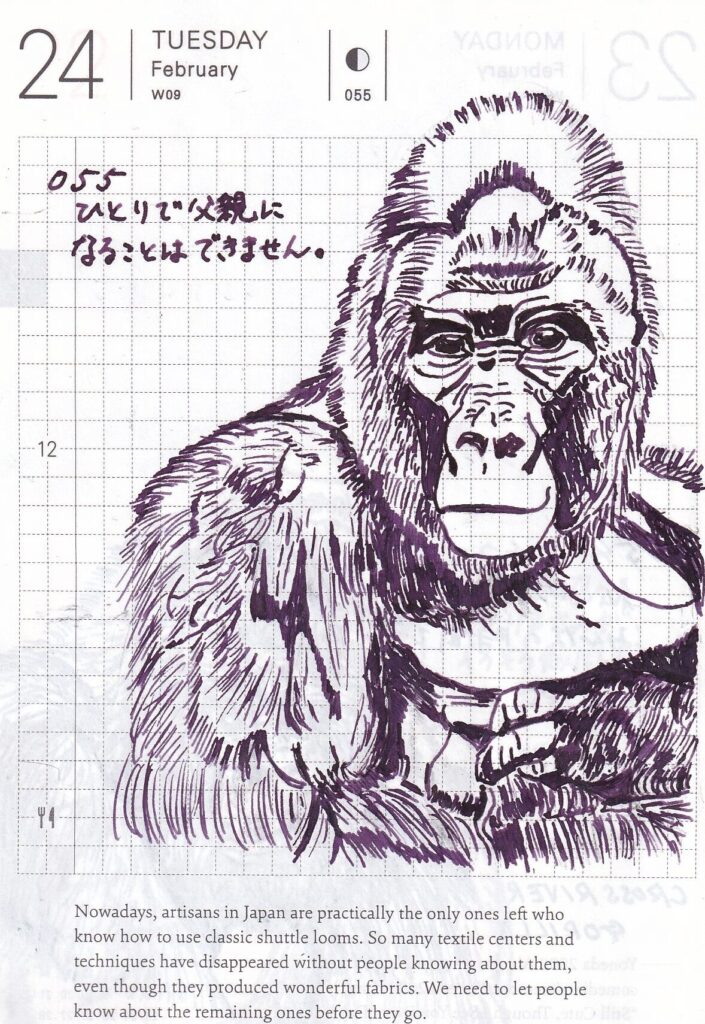
私たちが動物園で見るシルバーバックの父ちゃんゴリラは、悠然としていて、すっかり父親として板がついているように見えます。
でも、最初からそんな立派な父ちゃんとして振る舞えるわけではないらしく、やはり「修行」の期間があるのだとか。
父ちゃんは、いかにして父ちゃんになれるのか
ゴリラの母ちゃんは、子供が2、3歳になって乳離れしたら、あとは父ちゃんヨロシクと、あっさり子育てはパパに任せて、自分はご飯を食べに行っちゃったりするそうです。そこから先、子供が自立するまで子育てをしていくのは、父ちゃんが中心。
 ゴリ姐
ゴリ姐アナタ、任せたわよ
とでも言わんばかりに、こどもを任せられ、子どもたちにしっちゃかめっちゃかにされても耐える。子どもが喧嘩したら、えこひいきせず仲裁する。普段は離れて見守っているけれど、危ない時はちゃんと警告し、守ります。
ゴリラの父ちゃんが父ちゃんになれるのは、意外と子離れが早いドライな母ちゃんと、子どもたちに「頼れるパパ」だと認められてはじめて、めでたく父ちゃんになれるようです。
イクメンはゴリラに学べ?!
人間の男性も育休を取ったり、育児に参加するパパさんが増えていますね。でも、母親が最初から母親として振る舞えるわけではないように、正直なところ「父ちゃんはどうあるべきか?」を考えるところからはじまり、とまどう人がほとんどじゃないでしょうか。
私も乳児期は何がなんだかわからなくて、ネットで検索しまくったこともありましたし、小2で不登校になったときも、その手の情報や本を読み漁ったこともありました。でも、外から得た情報が、そのまま自分たちの答えになるってことは、ほとんどなかったように思います。結局、目の前のこどもと向き合って、どうしていくか、こどもと一緒に答えを出していくしかないんですよね。
娘は、当時の自分を振り返って
 crying
あんとき私ウツだったからな〜!

あの地獄があったから、大抵のことは耐えられる
とか言っています。小2にして地獄を味わうだなんて、過酷すぎるとは思ったけれど、地獄は人を強くしてくれるのですね。
「毒」は表現を豊かにする
地獄の渦中にいるとき、娘はよくカラオケでAdoの「うっせぇわ」を熱唱しておりました。親バカながら、上手すぎる!と感心するほどの熱唱ぶりだったのですが、地獄を脱して1年ほど経って歌ったら、すっかり毒気が抜けておりました。
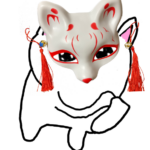 GONTARO
あれ、ワタシ、下手くそになってる?
と、キョトンとしていた顔が忘れられません。
小学生は自分の中に渦巻く「毒」をストレートに出すことはできる。でも、毒を想起して歌ったり、毒を演じきる、となると、そこには、ちょっとしたテクニックやトレーニングが必要なのでしょう。思わず笑ってしまったのと同時に、ああ、暗黒期はひとまず乗り越えたのね、と胸を撫で下ろした瞬間でもありました。
父親になるのも、母親になるのも、子どもとして毎日を生きるのも、みんな未経験ではじまり、予測不能な壁にしょっちゅうぶつかります(今もです)。なんで?どうして?どうする?と頭を悩ませながら進んでいく。ひょっとしたら、子育て、いや生きる日々ほどクリエイティブな営みはないのかもしれません。
TOMOKO
GORIFULL 055 | You Can’t Be a Father Alone
The silverback gorilla dad we see at the zoo appears so composed, as if he’s completely mastered fatherhood.But apparently, he doesn’t start out acting like such a great dad right away; it seems there’s a period of “training” involved.
How does a dad become a dad?
Once the baby gorillas are two or three years old and weaned, the mom gorilla apparently hands over childcare duties to dad with a simple “You take care of them now,” then goes off to find food. From that point on, until the young gorillas become independent, dad takes the lead in raising them.
“You’re on your own now,”
As if saying that, he endures being entrusted with the kids and getting completely overwhelmed by them. When the kids fight, he mediates without favoring one over the other. He usually watches from a distance, but when danger arises, he warns them and protects them.
It seems a gorilla dad only truly becomes a dad when his surprisingly detached, quick-to-let-go mom and the kids themselves recognize him as a reliable father figure. Only then does he happily become a “dad.”
Learn from gorillas, dads?!
More human men are taking paternity leave and participating in childcare these days. But just as mothers don’t automatically know how to be mothers from the start, honestly, most dads probably begin by wondering, “What should a dad be like?” and feel lost.
I was clueless during infancy too—I searched the internet relentlessly. When my daughter stopped going to school in second grade, I devoured related information and books, and consulted school counselors. But I don’t think any external advice ever directly became our answer. Ultimately, you just have to face your child, figure out how to proceed, and find the answers together.
Looking back on herself then, my daughter says things like:
“I was depressed back then, you know~!
Because I went through that hell, I can endure most things now.”
I did think it was too harsh for a second grader to experience hell, but hell does make you strong.
“Toxicity” enriches expression
While in the thick of that hell, my daughter would often passionately sing Ado’s “Ussseewa” at karaoke. As a doting parent, I was genuinely impressed—she sang with such intensity! But about a year after escaping that hell, when she sang it again, all the venom had drained out.
“Huh? Did I get worse?”
I’ll never forget the look of utter bewilderment on her face.
Elementary schoolers can unleash the “venom” swirling inside them directly. But to recall that venom and sing it, or fully embody it in performance—that requires a bit of technique and training, I suppose. It made me laugh, but at the same time, it was a moment of relief—ah, she’s finally overcome that dark period.
Becoming a father, becoming a mother, living each day as a child—all begin with no prior experience, constantly hitting unpredictable walls (even now). Why? How come? What should I do? We move forward while wrestling with these questions. Perhaps there’s no endeavor more creative than raising children—no, than living each day itself.
TOMOKO
